Expert Roof Cleaning or DIY: Which Is Safer in Logan?
Expert roof cleaning is generally safer than DIY when the work involves roof access, chemicals, fragile materials or solar panels. For homeowners in Logan, Queensland, humidity, summer storms and organic debris make regular roof inspections and gutter maintenance important. However, keeping a roof clean should not mean risking a fall or damaging its protective finish.

The safest choice depends on your roof’s condition, slope, material and accessibility. Understanding those factors helps you decide what you can check from the ground and when to call a professional.
Why Roof Cleaning Creates Safety Risks
Algae, moisture and cleaning products can make roofing extremely slippery. Tiles may crack underfoot, while metal roofs can become difficult to grip even on relatively gentle slopes. Ladder access adds another hazard, especially on uneven ground or near overhead powerlines.
Cleaning can also cause damage that is not immediately visible. Excessive pressure may force water beneath roofing, disturb flashings or strip surface coatings. Poorly controlled runoff can affect landscaping, enter rainwater tanks or carry chemicals into stormwater drains.
Never pressure-wash suspected asbestos roofing. If an older roof might contain asbestos cement, stop and arrange assessment by a suitably qualified specialist before any cleaning or disturbance.
What Makes Professional Roof Cleaning Safer?
Suitable Access and Fall Protection
A competent contractor assesses access, roof strength, weather conditions and fall risks before work begins. Depending on the property, safe access may require scaffolding, edge protection or an appropriate fall-protection system. A harness alone does not make roof work safe; suitable anchors, training and rescue planning also matter.
Cleaning Methods Matched to the Material
Advanced roof cleaning should mean an appropriate, controlled process—not simply stronger chemicals or higher pressure. Colorbond roof cleaning needs to follow the roofing manufacturer’s care guidance, including restrictions on products and cleaning methods. Tile roofs require assessment for cracked tiles, deteriorated bedding and vulnerable coatings before exterior roof washing begins.

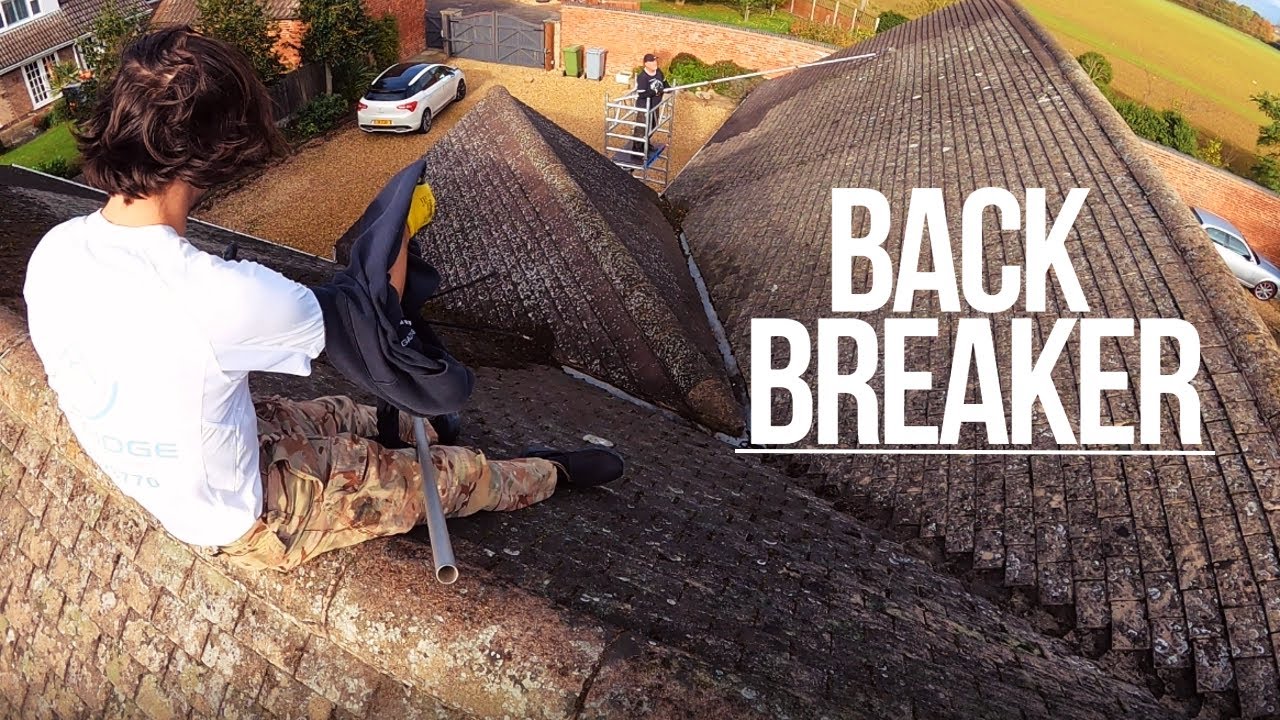
Low-pressure or soft-wash methods can suit some surfaces, but they are not automatically harmless. Product selection, dilution, application and rinsing still require care.
Protection for Gutters, Tanks and Landscaping
Comprehensive roof cleaning includes managing where debris and wash water go. Ask how the contractor protects rainwater collection systems, plants and drainage outlets. An eco-friendly roof cleaning claim should come https://privatebin.net/?3e3ee18dfed97c2f#GdxwTwvwgDsJjfcXS4MKb5ZCDrg4JZSaUJjNNHQoF4xj with a clear explanation of the products used and runoff controls.
What Can You Safely Do Yourself?
DIY maintenance is best limited to tasks that do not require stepping onto the roof or working from an unsafe position.
- Inspect the roof from ground level using binoculars or a camera zoom.
- Look for overflowing gutters, displaced tiles, loose flashing and debris around roof valleys.
- Keep accessible ground-level drain grates clear without opening or entering underground drainage systems.
- Arrange an inspection when staining persists, leaks appear or gutters repeatedly overflow.
- Avoid roof access during rain, strong winds, storms or extreme heat.
Do not assume gutter cleaning is a low-risk DIY task. Reaching sideways from a ladder or handling wet debris at height can cause serious falls. Ground-operated tools may help in some situations, provided they can be used safely away from electrical hazards.
Roof Cleaning, Gutters and Solar Panels
Roof cleaning supports home exterior protection, but it does not replace gutter repair or drainage maintenance. Blocked outlets, leaking joints and damaged downpipes may need gutter system repair or gutter downspout repair rather than cleaning alone. Effective exterior water management also depends on directing roof water through an appropriate drainage system.
Gutter guard installation can reduce some debris entry, but even advanced gutter protection requires inspection and maintenance. For larger buildings, coordinate commercial roof cleaning with commercial gutter services to address access and drainage together.
If your property has solar panels, tell the contractor before booking. Grid-tied solar panels can generate electricity in daylight, and damaged components present electrical hazards. Expert solar panel services should follow manufacturer instructions and avoid disturbing wiring or connectors. Commercial solar panels may require specialist access arrangements; electrical inspection and repairs belong with appropriately licensed electrical workers.
How to Choose a Roof Cleaner in Logan
- Request a roof-specific assessment: Ask which method suits your roofing material, condition and warranty requirements.
- Check insurance and competence: Confirm public liability cover, relevant training and any licences required for the proposed work. Ask what any “certified roof cleaning” claim actually means.
- Discuss safety and runoff: Request details about access equipment, fall protection, chemical handling and rainwater tank protection.
- Get a written scope: Confirm whether the price includes gutter cleaning, debris removal and reporting visible defects.
The Safer Choice for Logan Homes
For most roof-level cleaning, a properly equipped professional offers the safer option. Keep DIY efforts at ground level, address drainage problems promptly and choose a contractor who explains their methods clearly. The goal is a clean roof without compromising people, roofing materials or surrounding property.
Logan Roof Cleaning Pros
Unit 8 13/15 Ellerslie Rd, Meadowbrook QLD 4131, Australia
(07) 4803 1388